How to Create a Website That Is Easy to Use That Brings in More Visitors
Even a polished website can fail to generate customers if it is not built around user experience (UX) and conversion rate optimization (CRO). The aim is not simply to draw visitors in, but to lead them through a smooth user journey that creates trust, removes friction, and makes taking action easy. It calls for effective web design, clear messaging, and a structure that supports both search visibility and lead generation.
For businesses in Hempstead, NY, this matters even more. Hempstead is a central Nassau County community with many local businesses and service providers, and customers often compare options fast on their phones before contacting anyone. A responsive website with mobile-friendly design, a strong call to action, and easy-to-find contact details can make the difference between a bounce and a new lead. The same is true across Nassau County and other Long Island businesses competing for attention in crowded local searches.
The following is a practical guide to developing a conversion-focused website that feels easy to use, ranks better, and turns more visitors into qualified leads.
What makes a website user-friendly and conversion-focused?
A easy-to-use site is one that is easy to navigate, easy to understand, and easy to act on. In practice, that means your design should assist visitors discover what they need without confusion. Good site navigation, structured content hierarchy, and a prominent call to action all improve conversion rate optimization because they lower hesitation.
The most effective sites are built with a defined purpose in mind. For example, if a visitor lands on a service page, they should immediately understand what you offer, who it is for, and what to do next. That is where effective labeling, focused sections, and focused headline copy matter. A cluttered page increases bounce rate; a well-structured page keeps people involved longer and improves engagement rate.
To make your website more conversion-focused:
- Make menus brief and organized so users can browse pages quickly.
- Put primary actions in easy-to-notice areas, such as the top of the page and after key sections.
- Write in simple language that fits how your audience speaks and communicates.
- Structure each page around one main goal, whether that is a call, form submission, or booking request.
When your site feels natural, visitors spend fewer moments figuring out where to go and more time moving toward conversion.
How should site design strengthen credibility and interaction?
Strong web design is more than just appearance. It shapes how people judge your competence, reliability, and relevance. A clean visual hierarchy helps users spot what matters initially, while intentional spacing and typography make the site feel simpler to read. Effective design should complement the message, not take focus off it.
Confidence is a major factor in online conversion. Visitors often decide within seconds whether your business feels trustworthy. Unified colors, fonts, imagery, and tone build brand consistency and support brand credibility. This creates a sense that your business is well-established, structured, and trusted by visitors.
Mobile responsiveness is just as important. A site that looks fine on desktop but malfunctions on smaller screens creates friction and damages trust. Since many people in Hempstead and across Long Island search on their phones, a mobile-friendly design is necessary for keeping the user journey seamless. If buttons are too small, text is hard to read, or layouts feel cramped, people leave before converting.
Engaging design should also amplify your message with careful visual cues. For example, whitespace can draw attention to a key offer, while color contrast can spotlight a strong call to action. The goal is a credible, easy-to-use layout that keeps users centered on the next step.
Why does page speed influence conversions?
Page load speed directly affects whether visitors linger or go away. Even a well-designed site can fail if it loads too slowly. Fast pages support a better experience, lower frustration, and improve the chance that users will continue exploring your services. Slow-loading sites tend to increase bounce rate and reduce conversions.
Google also evaluates performance through Core Web Vitals, which evaluate aspects of loading, interactivity, and visual stability. These metrics are part of overall performance optimization and can influence both user satisfaction and search visibility. A site that performs well is easier to use and more likely to rank competitively.
One of the easiest ways to improve speed is through image optimization. Large, uncompressed images are a common cause of slow pages. Compressing files, using modern image formats, and serving the right size for each device can significantly improve fast-loading pages. You should also pay attention to hosting performance, because weak hosting can slow down even a well-built site.
Sunstone Digital Tech34 Willis Ave, Mineola, NY 11501
(315) 758-3349
https://maps.app.goo.gl/raW1XN7K3jzLKAPz9
https://sunstonedigitaltech.com/hempstead-digital-marketing-agency
40.7400795, -73.6357138
To improve page speed:
- Optimize images before uploading them.
- Select a reliable host with strong server response times.
- Reduce heavy scripts and unnecessary plugins.
- Check pages regularly for loading issues on desktop and mobile.
When pages load quickly, the site feels more professional, more usable, and more likely to turn interest into action.
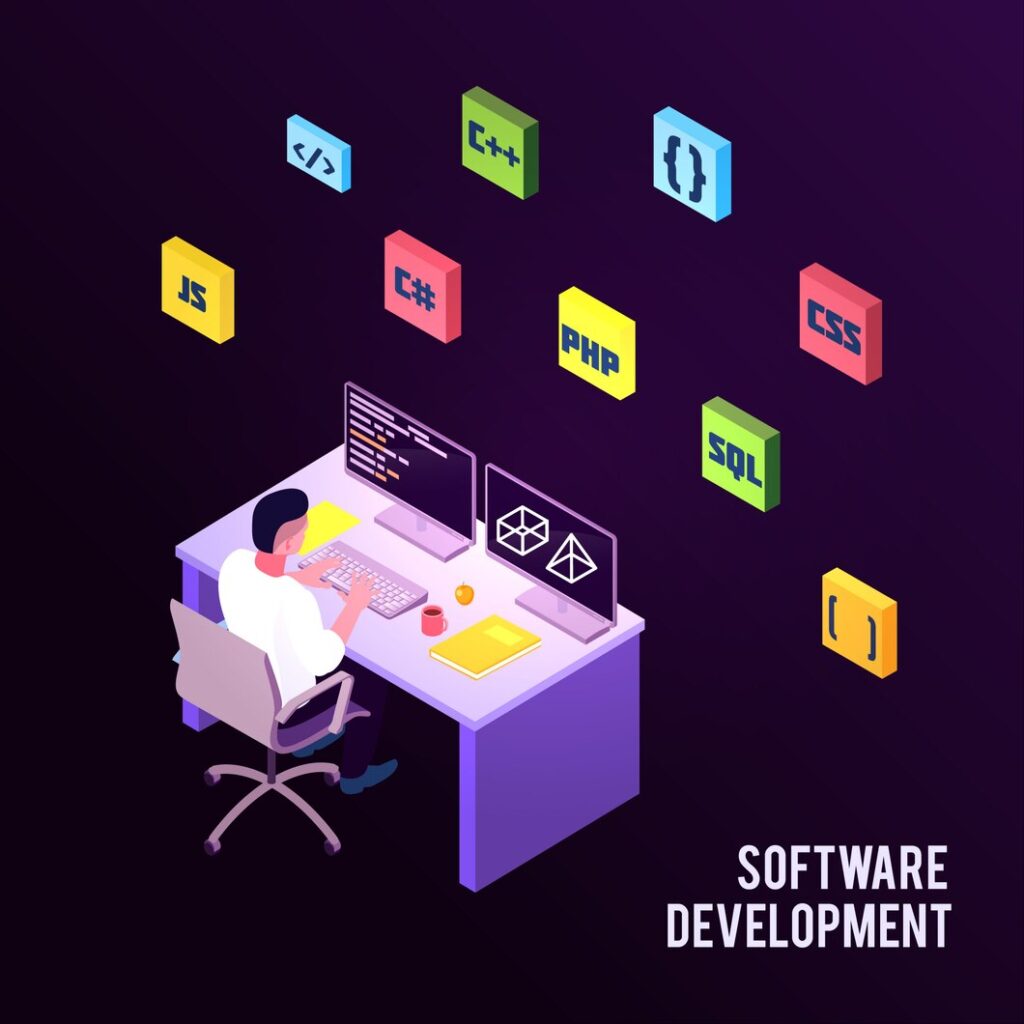
Which content elements assist guests take action?
Design draws interest, but messaging drives action. The most successful pages use compelling headline text to convey value immediately. A headline should show visitors what they get, why it matters, and what makes your offer useful. The supporting text should expand on that promise without overwhelming the reader.
Your value proposition should be obvious on every important page. If visitors can’t quickly understand what makes your business different, they may leave and compare competitors. A strong value proposition answers the practical question: “Why should I choose you?”
Social proof helps build confidence. Testimonials, reviews, case studies, and recognizable client examples can reassure visitors that others have had positive results. In service-based industries, this kind of trust support matters a lot. It helps your business feel dependable and credible, especially when paired with other trust signals such as certifications, affiliations, guarantees, or years in business.
Forms also have an important role in conversion. Poor form optimization can stop people from submitting inquiries. Keep forms short, ask only for necessary information, and make error messages clear. If a form feels too demanding, people may abandon it before finishing.
Helpful content elements include:
- An obvious headline that reflects search intent and business value.
- A short explanation of the offer or service.
- Reviews or reviews that reinforce credibility.
- Simple forms that reduce friction.
- Prominent buttons and links that guide action.
Every page should move toward the next step in the conversion process, whether that means a call, a request form, or a quote.
How can SEO services boost user experience and visibility?
Expert SEO services do more than help a website rank. They improve the way people locate, comprehend, and navigate the site. The process starts with keyword research, which identifies the terms your audience actually uses. That research helps guide page topics, headings, and content structure so the site aligns with user expectations.
On-page SEO improves both readability and relevance. This includes optimizing titles, headings, internal links, and page copy so each section directly communicates its topic. When on-page SEO is done well, visitors can scan pages more easily, and search engines can better understand what each page is about. That improves both user experience and search visibility.
Local SEO is especially important for businesses serving a specific area. For a company in Hempstead, this means optimizing for local search intent so nearby customers can find the business when looking for services in the area. Local SEO also helps with map visibility, which matters for Hempstead businesses competing against other Long Island companies in search results.
Effective SEO matches with the customer journey. It makes sure your content answers real questions, matches what searchers want, and guides them naturally toward a conversion action. In that way, SEO services and CRO are most effective together rather than separately.
How can digital marketing drive high-quality traffic to the site?
Digital marketing helps you attract the best-fit people, not just additional people. A user-friendly website converts better when the traffic matches the offer. That starts with understanding your target audience and creating campaigns that speak to their needs, location, and buying stage.
For lead generation, your website should be supported by campaigns that bring visitors who are already interested in your service. This may include local search campaigns, paid ads, email outreach, and content marketing. The most effective approach is one that works in sync with the site’s messaging, page structure, and conversion goals.
Analytics are essential here. They show where visitors come from, which pages they view, and where they drop off. By reviewing website analytics, you can identify which channels bring the best traffic and which pages need improvement. This data helps you refine your digital marketing strategy over time.
To drive better traffic:
- Build campaigns around specific offers and services.
- Coordinate ad copy with landing page messaging.
- Track lead generation sources by channel.
- Use data to improve targeting and messaging.
When digital marketing and website structure work together, you get more qualified leads and a stronger conversion path.
Where do AI experts add value in website optimization?
ai experts can help improve website performance in ways that are useful and easy to measure. Modern AI tools can assess behavior patterns, identify friction points, and guide testing decisions faster than manual review alone. Used well, they can streamline optimization without replacing strategy.
One major area where AI helps is personalization. Different visitors may need different information based on their location, device, or stage in the buying process. AI can help present relevant content, making the experience feel more tailored and useful. That often boosts engagement and drives conversion.
Predictive insights are another advantage. AI-driven analysis can help uncover likely drop-off points, common user paths, or pages that deserve attention. This gives marketers a better starting point for improving content, layout, and calls to action.
AI is most valuable when it enhances human judgment. Strategy still matters, especially for brand voice, positioning, and local relevance. The best results come when ai experts pair automation with clear business goals and conversion-focused decisions.

What conversion elements should every service page include?
Strong service pages and landing pages should go beyond describe what you do. They should give visitors enough information to feel confident taking the next step. That means every page needs a clear structure, relevant details, and obvious conversion paths.
Start with a direct headline and short introduction. Then explain the service, who it helps, and what outcome the visitor can expect. Include trust signals such as testimonials, reviews, case studies, licenses, or local service guarantees. These elements reduce doubt and help visitors feel more comfortable reaching out.
Contact paths should be easy to find. Use multiple contact options so people can choose what feels most convenient, such as a phone number, contact form, email address, or booking request. If someone is ready to act, don’t make them hunt for the next step.
Your page should include:
- A clear value-focused headline.
- One compelling offer.
- Strong trust signals and proof.
- Simple contact options in multiple locations.
- A clear button or form above the fold and near the bottom.
When service pages emphasize clarity and action, they work much better as conversion tools.
How does local context in Hempstead, NY improve credibility?
A local focus can make your website feel more believable and approachable. Referencing Hempstead, NY naturally on relevant pages helps visitors understand that you serve their area. For businesses in Nassau County, this local connection matters because many people prefer providers who already understand the community and can respond quickly.
Long Island businesses often compete in markets where nearby customers compare several options before choosing one. This means your website should signal local familiarity and service radius clearly. You can reference surrounding towns, nearby neighborhoods, or the broader Nassau County area to show that your business is active in the region.
That is where https://auburn-ny-ux292.cloudhinter.com/posts/ai-driven-automated-marketing-solutions-for-hempstead-businesses local customer intent comes in. People searching locally usually want a fast answer, a nearby provider, and confidence that the company is real. Clear location references, service area mentions, and local testimonials can strengthen that trust.
A local business website should make a visitor think, “This company serves my area, understands my needs, and is easy to contact right now.”
When local context feels natural, it strengthens both brand credibility and conversion potential.
What should you test and measure after launch?
A website launch is only the first step. To keep improving conversions, you need a process for measurement and refinement. A/B testing lets you compare two versions of a page element, such as a headline, button text, or layout, to see which performs better. This removes guesswork and helps you make decisions based on user behavior.
Heatmaps are also useful because they show where users click, move, and linger. These visual insights can reveal whether visitors notice your main call to action or whether they miss important sections. Alongside conversion tracking, heatmaps help you understand what is working and what demands attention.
Google Analytics is the foundation of many website measurement strategies. It can help you review traffic sources, page performance, goal completions, and user behavior trends. Together with conversion tracking, it gives you a sharper picture of how visitors move through the site and where they drop out.
Focus on metrics such as:
- How many visitors submit a form or call.
- Which pages have the largest bounce rate.
- Which traffic sources generate the most qualified leads.
- How users engage with key pages and calls to action.
Tracking and analysis turn your website into a living system that grows stronger over time.
FAQ: Common questions about creating a user-friendly website
What makes a website user-friendly for conversions?
A website is user-friendly for conversions when it is straightforward to navigate, easy to understand, quick to load, and straightforward to act on. Strong UX, clean content hierarchy, visible calls to action, and mobile responsiveness all help visitors move through the site without confusion. The easier the user journey, the better the website conversions.
How does web design impact conversion rates?
Web design affects conversion rates by shaping trust, readability, and the path a visitor follows. Good design uses visual hierarchy, brand consistency, and clear spacing to guide attention. It also supports mobile-friendly design so users on phones can engage without friction. Poor design creates confusion and can lower engagement rate.
Why are SEO services important for a conversion-focused website?
SEO services improve both visibility and usability. They use keyword research, on-page SEO, and local SEO to bring in the right traffic and organize the site around search intent. When SEO is aligned with user experience, visitors find relevant pages faster and are more likely to convert.
How can digital marketing drive better visitors to my website in Hempstead, NY?
Online marketing can generate better visits by targeting your audience with the proper messaging, platform, and offer. For Hempstead, NY businesses, local campaigns should align with local customer intent and the needs of nearby searchers. This is especially effective when matched with landing pages built for lead generation and supported by website analytics.
How do AI experts help improve website performance and conversions?
ai experts help by leveraging AI tools for personalization, content analysis, and predictive insights. They can detect user behavior patterns, suggest improvements, and support optimization work more efficiently. When integrated with conversion rate optimization and testing, AI can improve performance without losing the human touch.